

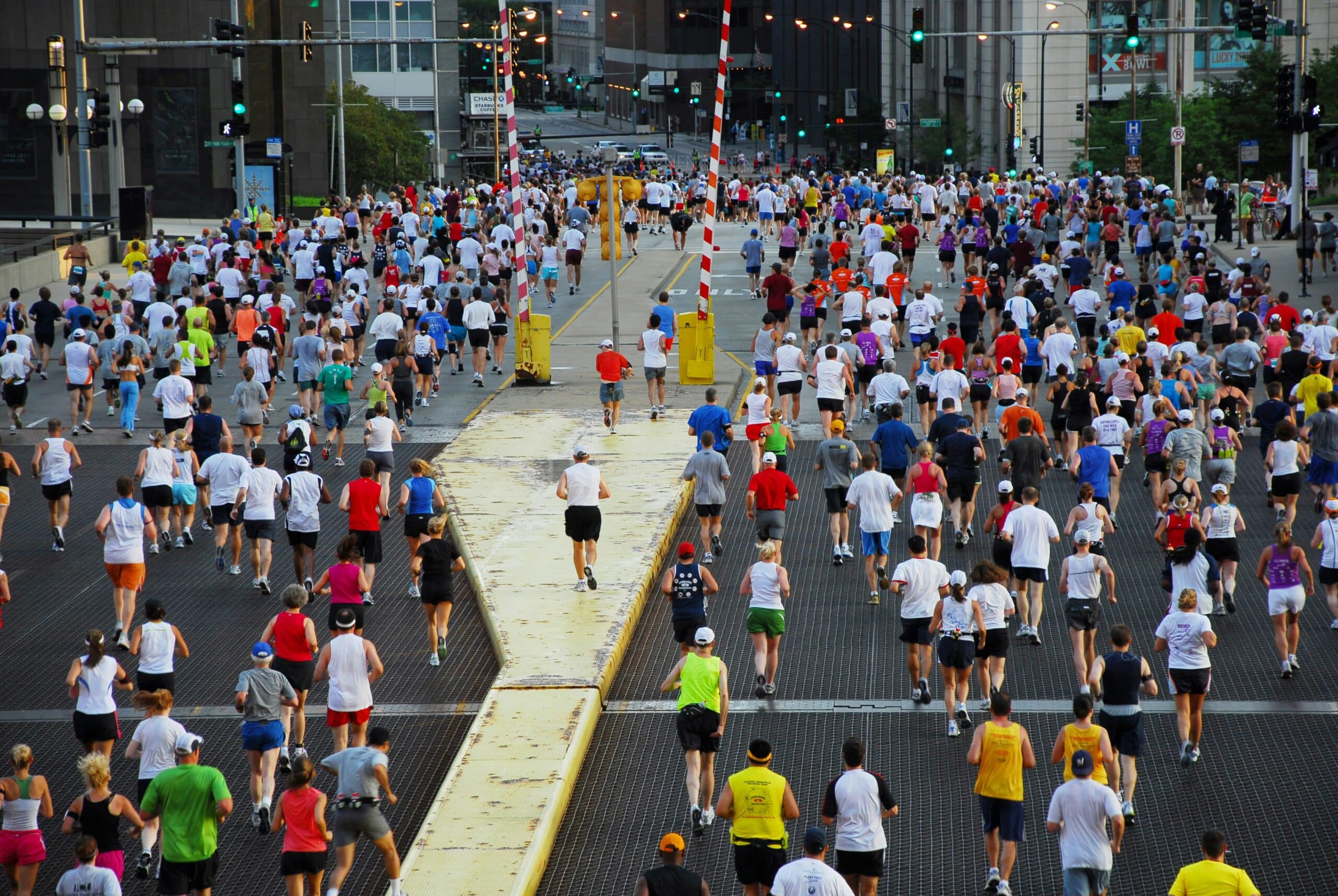
How to boost marathon recovery with the help of nutrition
Running 26.2 miles is no easy feat. You’ve spent months preparing for the race, picked up your
bib at the expo, woke up early to get to the start line, pushed through the pain for hours, and
crossed the finish line. With your new finisher’s medal proudly displayed, you might be
wondering, “Now what?”
Whether you’re eager to get back to training or ready for a well-earned break, marathon recovery is the
next important phase of your training. Proper nutrition can help speed recovery and get you
feeling strong and ready for your return to running.
Refuel
Your body’s preferred fuel during a marathon is glycogen, which becomes quickly depleted
during the race even with taking in gels or other fuel. After finishing the marathon, aim for a quick snack that provides about 1 to 1.2 grams of carbohydrates per kilogram of body weight. For a 150-pound runner, this is roughly 68 grams ofcarbohydrates.
It can take up to 48 hours to fully restore glycogen stores with a balanced diet. In the days
following your race, focus on eating moderate to high carbohydrate foods such as pasta, bread, rice, oats, fruits, and vegetables. Runners should aim for 5 to 8 grams of carbohydrates per kilogram of body
weight each day, or about 340 to 545 grams for a 150-pound runner.

Rebuild
After a long race, your body is primed for muscle repair, especially in the first 24 hours. To start
the rebuilding process, include around 20 grams of protein soon after finishing the race. Aim for
a total of about 1.6 grams of protein per kilogram of body weight per day, or about 109 grams for
a 150-pound runner.
Spread protein intake evenly throughout the day, about every two to three hours, to support muscle
repair. Include high-quality protein sources such as fish, eggs, whey protein powder, cottage
cheese, milk, chicken, soy products, nuts, and seeds.
Rehydrate
Dehydration can interfere with recovery by slowing glycogen restoration and increasing muscle
fatigue. Begin rehydrating as soon as possible after the race. Immediately consume 24oz of fluid and continue to drink until rehydrated.
To help your body retain fluids, include sodium-rich foods like pretzels, salted nuts, canned soup,
crackers, or electrolyte mixes. Continue drinking fluids regularly in the following days, aiming
for light yellow urine as a sign of good hydration.

Reduce Inflammation
Running for several hours causes small muscle tears and an increase in inflammation. Include
foods rich in omega-3 fats and antioxidants to help reduce inflammation and promote healing.
Omega-3 sources include salmon, tuna, walnuts, and flaxseeds. Antioxidant-rich foods such as
berries, beets, spinach, sweet potatoes, and fresh herbs can also support recovery.
Rest
Rest is just as important as nutrition. It allows the body to repair damaged tissue and restore
nutrients. Prioritize getting plenty of sleep and including gentle movement such as walking,
yoga, or swimming. Most runners benefit from taking one to two weeks off from running after a
marathon, though this can vary by individual.

Reflect and Celebrate
You’ve achieved something incredible. Take time to rest, recover, and reflect on your
accomplishment whether or not you hit your goal time. When you’re ready, think about what went well during your training and raceso you can apply it to your next goal.
Cheers to a wonderful race and all of your accomplishments. Whether you hit your goal or not, marathon recovery is essential.
If you’d like to learn more about how to prepare, fuel, or recover for your next race, learn more about one-to-one coaching or check out my Instagram page for quick fueling tips.

Hi, I'm Amy aka the Running Dietitian. An expert in all things running and nutrition.


